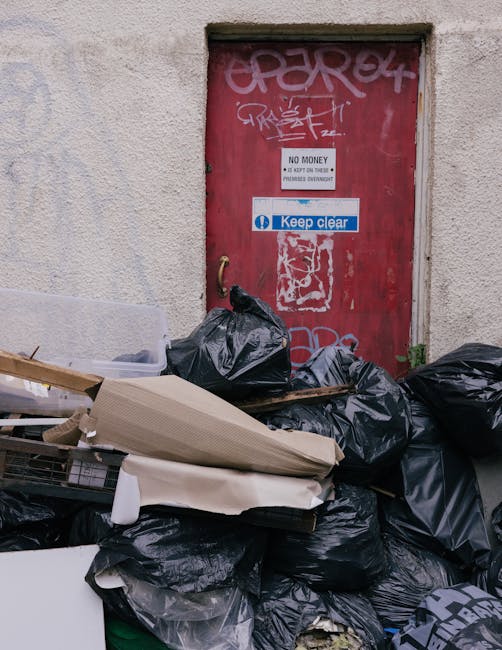
Garden waste pile-up in Richmond: affordable clear-up ideas
If your garden has tipped from "a bit untidy" into a proper pile-up, you are not alone. In Richmond, where outdoor spaces range from compact courtyards to larger family gardens, garden waste can build up fast after a weekend of pruning, a hedge trim, or a full seasonal tidy. The good news is that a messy heap of branches, grass cuttings, leaves, and old plants does not have to turn into an expensive headache. This guide on Garden waste pile-up in Richmond: affordable clear-up ideas walks you through practical, budget-friendly ways to get the space back under control without overcomplicating it.
We will look at the easiest clear-up methods, what affects cost, how to avoid common mistakes, and when it makes sense to get help. You will also find a checklist, a comparison table, and a realistic example from a local-style situation. Simple, useful, no fluff.
Quick takeaway: the cheapest option is not always the best one. The most affordable clear-up is usually the one that matches the size, weight, and timing of your garden waste, while keeping sorting and disposal straightforward.
Table of Contents
- Why Garden waste pile-up in Richmond: affordable clear-up ideas Matters
- How Garden waste pile-up in Richmond: affordable clear-up ideas Works
- Key Benefits and Practical Advantages
- Who This Is For and When It Makes Sense
- Step-by-Step Guidance
- Expert Tips for Better Results
- Common Mistakes to Avoid
- Tools, Resources and Recommendations
- Law, Compliance, Standards, or Best Practice
- Options, Methods, or Comparison Table
- Case Study or Real-World Example
- Practical Checklist
- Conclusion
- Frequently Asked Questions
Why Garden waste pile-up in Richmond: affordable clear-up ideas Matters
Garden waste pile-up is more than an eyesore. Once cuttings, branches, and bags of debris start stacking up, they can get in the way of everyday life very quickly. A path becomes awkward to use. A back corner becomes damp and slippery. And if the weather turns, that little mound can become a soggy, heavy job that feels twice as hard to deal with later.
In Richmond, gardens often need regular attention through spring and summer, but even autumn tidy-ups can generate far more waste than people expect. A single hedge trim may look harmless until the clippings fill several sacks. Add in weeds, twigs, old soil, and a few broken pots, and suddenly you have a proper mini-clearance on your hands.
Affordable clear-up ideas matter because most people want the same three things: a tidy garden, a fair price, and minimal disruption. That sounds simple enough, but the details matter. Separate green waste from mixed rubbish, and your disposal options usually improve. Leave everything in one lump, and costs can creep up. Honestly, that is where a lot of people lose money without meaning to.
There is also a practical side. An unmanaged pile can attract pests, harbour mould, and block access to sheds, bins, or gates. If you have children, pets, or elderly relatives visiting, you will notice the risk a lot faster than you might on paper. It is just one of those jobs that feels small until it isn't.
How Garden waste pile-up in Richmond: affordable clear-up ideas Works
The basic idea is straightforward: identify what kind of garden waste you have, sort it sensibly, choose the cheapest suitable disposal route, and clear it in a way that avoids unnecessary labour or multiple trips. The more organised the pile, the easier it is to remove economically.
Most garden waste clear-ups fall into a few common categories:
- Soft green waste: grass cuttings, weeds, leaves, hedge trimmings, and plant matter.
- Woody waste: branches, logs, thicker stems, and prunings.
- Mixed garden rubbish: plastic pots, broken garden furniture, bags, old soil, and general outdoor clutter.
Soft green waste is usually the easiest to manage affordably because it compacts well and is often more straightforward to recycle. Woody waste takes more handling, especially if it needs cutting down. Mixed waste tends to cost more, mainly because it is less predictable and often needs sorting before anything can be processed properly.
If you want to keep the spend down, the real trick is to reduce the amount of mixed material. For example, separating reusable garden pots from actual waste may save you time later. Likewise, cutting branches into manageable lengths can make the whole pile easier to move. A bit of prep goes a long way. More than people think, to be fair.
For readers comparing service options, it can help to understand how providers usually quote. Some base pricing on volume, some on labour and loading time, and some on the type of material. If you are checking pricing and quotes, a clear description of the waste will usually help you get a more realistic figure first time.
Key Benefits and Practical Advantages
The biggest benefit of handling garden waste efficiently is simple: you get your outdoor space back. But there are a few other advantages worth noting, especially if you are trying to stay within budget.
- Lower clear-up costs: sorting waste properly can reduce labour and disposal complexity.
- Faster turnaround: the more organised the pile, the quicker it can be cleared.
- Less strain on you: a planned approach means fewer heavy lifts and fewer awkward trips across the garden.
- Better recycling outcomes: clean green waste is often more suitable for recycling than mixed debris.
- Improved safety: tidy paths, patios, and access routes reduce slips, trips, and snagging hazards.
There is also a mental benefit people often ignore. A cluttered garden can quietly drain the enjoyment out of a home. You keep seeing the pile when you look outside the kitchen window. You keep meaning to deal with it. Then another week passes. That tiny background stress is real, and once the waste is gone, the whole place tends to feel lighter.
If your priorities include responsible disposal, it is worth checking a provider's approach to recycling and sustainability. A sensible garden waste clear-up should not just move the problem somewhere else.
Who This Is For and When It Makes Sense
This kind of clear-up is useful for a wide mix of Richmond residents and property users. It is not only for people with huge gardens, either. In fact, small spaces can become surprisingly untidy because every bag and branch is visible.
It may make sense for you if you are:
- a homeowner dealing with seasonal garden maintenance
- a landlord preparing a property for new tenants
- a tenant wanting to leave outdoor space in a decent state
- a keen gardener with an overflowing compost pile or hedge cuttings
- someone clearing up after landscaping, planting, or storm damage
- a busy family who simply does not have the time to keep tackling the same heap again and again
It also makes sense after a rough patch of weather. Wind can scatter leaves everywhere, and a wet weekend can turn a neat pile into a heavy, awkward mess. If you have ever pulled up the back door on a Monday morning and thought, "Right, that has got to go," you will know the feeling.
For some people, the right answer is a simple DIY clear-up. For others, it is a low-cost collection or part-load removal. For larger jobs, a more complete garden clearance may work out better than hiring a vehicle, making multiple dump runs, and spending your whole Saturday on it.
Step-by-Step Guidance
Here is a practical way to tackle a garden waste pile without overdoing the spend or the effort.
- Take a proper look at the pile. Don't just guess. Check whether it is mostly green waste, woody waste, or mixed rubbish.
- Separate recyclables from general clutter. Keep plant matter apart from pots, plastic ties, broken tools, and other non-green items.
- Cut oversized branches down. Smaller lengths are easier to stack, move, and load. It also helps if access is tight.
- Bag loose material if needed. Grass and leaves are easier to handle in sturdy sacks, but do not overfill them. Your back will thank you later.
- Stack waste neatly by type. A tidy pile saves space and makes it easier to estimate volume accurately.
- Decide whether DIY or help is cheaper. If you need tools, vehicle hire, fuel, and time off work, the cheaper option may not be DIY after all.
- Choose a removal method that fits the waste. Light green waste, bulky branches, and mixed outdoor junk do not all suit the same approach.
- Book or schedule collection once it is ready. Delaying often means the pile settles, gets heavier, or spreads out again.
A small local example: someone in Richmond might finish trimming a mature hedge and end up with six or seven bags of clippings, plus a few thicker branches. If the branches are cut down early and the soft waste is kept separate, the whole job becomes much more manageable. If everything gets tossed into one heap, it can become a tedious mess very fast.
It helps to work in daylight and dry weather if you can. Not glamorous, maybe, but far easier. Damp leaves and muddy bags have a knack for making a simple task feel endless.
Expert Tips for Better Results
These are the little things that tend to make the biggest difference in real life.
- Sort first, lift second. A few minutes of sorting often saves a surprising amount of time later.
- Keep waste dry where possible. Wet green waste weighs more and is harder to move.
- Use the right bag size. Overfilled sacks are awkward, can split, and make collection slower.
- Flatten bulky but light materials. If you have twiggy waste or broken-down clippings, compress them carefully to save space.
- Watch access points. Narrow side passages, steps, and garden gates can affect how quickly waste can be removed.
- Be honest about the size of the pile. A slightly optimistic estimate usually leads to a slightly disappointing quote. Funny how that works.
One overlooked tip is to think about what you do not want to clear twice. If you are already in the garden, pull out old compost bags, damaged plant supports, and broken pots at the same time. Not because you need a giant overhaul, but because repeated tiny jobs are what make clear-ups drag on.
If you are considering a professional route, use the chance to check a company's wider standards too. Pages such as health and safety policy and insurance and safety information are useful signals that the work will be handled with proper care.
Common Mistakes to Avoid
Most garden waste problems are not caused by one huge mistake. They build up from a few small ones. That is the annoying bit, really.
- Leaving the pile too long: wet weather makes everything heavier and more compacted.
- Mixing waste types together: green waste, soil, and household junk often need different handling.
- Assuming all "garden waste" is the same: thick branches and grass cuttings are not equal in disposal effort.
- Underestimating access issues: a tight side return, staircase, or narrow gate can slow things down.
- Overfilling bags: it seems efficient until you try to move them.
- Booking the wrong size of service: too small, and you may need a second visit; too large, and you may pay for capacity you do not use.
Another common slip is forgetting about hidden waste. It happens a lot in older gardens and overgrown corners: under the leaves there may be broken terracotta, rusted canes, or a pile of old ties and netting. If you are paying by the load or by labour time, those surprises matter.
The simple fix is to do one careful sweep before you commit to a removal method. A ten-minute check can save a whole lot of hassle.
Tools, Resources and Recommendations
You do not need a shed full of specialist gear to deal with a garden waste pile, but the right basics make the job easier and safer.
- Heavy-duty garden sacks: useful for leaves, weeds, and lighter clippings.
- Gloves: a must if you are dealing with thorny stems, splinters, or damp material.
- Secateurs and loppers: handy for cutting down branches to a manageable size.
- Broom and rake: good for gathering smaller debris from patios and paths.
- Wheelbarrow: helpful if your garden has a long path or uneven access.
- Tarpaulin: useful for dragging or temporarily storing loose waste before removal.
On the service side, a few website pages can help you understand the wider experience. The about us page is useful if you want to know more about the company behind the service, while the contact page is the obvious next step if you want to ask a question or explain a tricky access issue.
If you are comparing ways to pay, it is sensible to check payment and security as well. Small detail, but it can make the whole process feel much more comfortable.
For your own record keeping, it can also help to note roughly what went into the pile: green waste, branches, soil, old plant supports, and any mixed items. That makes future clear-ups easier to price and plan. Slightly boring, yes. Very useful, also yes.
Law, Compliance, Standards, or Best Practice
Garden waste disposal in the UK should be handled responsibly, and local practices can vary depending on the material and the collection method. While this article is not a legal guide, there are a few sensible best-practice points worth keeping in mind.
First, do not assume that every outdoor item can go with green waste. Soil, rubble, treated wood, plastics, and mixed junk may need separate handling. Second, any contractor entering your property should work carefully around access routes, steps, boundaries, and shared areas. Good practice matters as much as speed.
When you are choosing a provider, look for signs that they take responsibility seriously. Clear communication, sensible sorting, and a transparent approach to disposal are all good signs. If you want further reassurance around how a company handles environmental and ethical expectations, you can review pages such as recycling and sustainability, terms and conditions, and privacy policy.
In practical terms, the best standard is straightforward: keep the job safe, keep the disposal honest, and avoid turning one tidy-up into three avoidable problems. That is the real benchmark.
Options, Methods, or Comparison Table
There is no single best method for every garden waste pile. The right option depends on how much you have, how mixed it is, and how quickly you want it gone.
| Method | Best for | Likely cost feel | Pros | Trade-offs |
|---|---|---|---|---|
| DIY composting or reuse | Leaves, grass, light clippings, some plant matter | Very low | Cheap, sustainable, easy for small amounts | Slow, space needed, not suitable for everything |
| Bagging and local disposal | Small to medium piles you can manage yourself | Low to moderate | Flexible, no special service needed | Time-consuming, lifting involved, multiple trips possible |
| Part-load collection | Mixed but moderate garden waste | Moderate | Good balance of cost and convenience | Needs accurate volume estimate |
| Full garden clearance | Large piles, overgrown gardens, bulky waste | Higher, but often better value than multiple DIY runs | Fast, less effort, suited to bigger jobs | Not the cheapest for very small clear-ups |
The comparison is useful because it stops people defaulting to the wrong answer. A tiny pile of leaves does not need the same approach as a hedge reduction and border clear-out. Equally, a huge pile can be more expensive to handle piece by piece than as one organised removal. That is where the real savings usually sit.
Case Study or Real-World Example
Picture a typical Richmond garden after a late spring tidy-up. The owner has pruned a laurel hedge, pulled weeds from the borders, and cut back some overgrown climbers. At first glance it looks like "just a few bags." Then the pile is gathered properly and the story changes a bit: soft clippings, a bundle of branches, and a few broken ties and old plant pots are all sitting in one corner near the fence.
The smart move in that situation is not to rush. The owner separates the waste into three types, cuts the branches to shorter lengths, and removes the non-green items first. The result is a much cleaner pile that is easier to estimate and much easier to take away. If a removal service is used, the quote is more accurate because the waste is clearly described. If DIY is chosen, the load is more manageable and less likely to need repeat handling.
What saved the most money? Not magic. Just sorting. A bit of care at the start prevented extra time later, and extra time is where budgets usually drift.
This kind of example is why affordable clear-up ideas work best when they are practical rather than dramatic. No need to "transform the whole outdoor lifestyle" or anything like that. Just get the job done sensibly.
Practical Checklist
Use this simple checklist before you book, bag, or begin loading.
- Identify the waste type: green, woody, or mixed
- Separate reusable items from genuine waste
- Cut large branches down to a manageable size
- Check access routes, gates, and steps
- Estimate roughly how much waste there is
- Decide whether DIY, part-load, or full clearance makes most sense
- Ask about recycling and responsible disposal
- Check insurance, safety, and payment information if using a service
- Clear the area around the pile so it can be removed easily
- Schedule the work before the pile gets wet or compacted
Expert summary: affordable garden waste clear-up is usually a combination of smart sorting, honest sizing, and choosing the least complicated method that still does the job properly. Keep it simple, and the costs tend to stay saner.
Conclusion
Garden waste pile-up in Richmond does not need to become a stressful or overpriced task. If you break the job down, sort the material properly, and choose a disposal method that matches the size of the pile, you can usually clear the space without wasting time or money. The best affordable clear-up ideas are rarely the flashiest ones. They are the calm, practical ones that fit real life.
Whether you are dealing with a post-pruning heap, an end-of-season tidy-up, or a garden that has quietly got away from you, the important thing is to act before the pile becomes heavier, wetter, and more awkward. A small bit of effort now often saves a much bigger job later. And let's face it, nobody really wants to spend a Saturday wrestling soggy branches into bins.
If you want a more tailored answer for your own garden, review the service details, check the support pages, and decide what suits your space and budget best. That one careful decision can make the whole thing feel much lighter.
Get a free quote today and see how much you can save.
Frequently Asked Questions
What is the most affordable way to clear garden waste in Richmond?
The cheapest option is usually the one that matches the waste type. Small amounts of leaves and clippings may suit composting or bagging, while larger or mixed piles may be cheaper to remove in one organised collection than through repeated DIY trips.
Can I mix branches, grass cuttings, and old plant pots together?
You can, but it is usually not the best idea. Mixed material is harder to handle and may be more costly to remove. Separating green waste from plastic, pots, and other items keeps the job simpler and often cheaper.
How do I know whether I need a full garden clearance or just a small collection?
If the pile is small, lightweight, and easy to access, a smaller collection may be enough. If there are bulky branches, overgrown areas, or multiple types of waste, a fuller clearance often makes more sense. The access route matters too.
Does wet garden waste cost more to clear?
It can, indirectly. Wet waste is heavier, messier, and often harder to move. That can affect labour time and the amount of material being handled. Drying out what you can before collection may help a bit.
Should I cut branches before booking removal?
Yes, if it is safe and practical. Cutting branches down usually makes them easier to stack and move, and it can make the load simpler to estimate. Just do not take unnecessary risks with larger limbs or awkward tools.
What kind of garden waste can usually be recycled?
Clean green waste such as grass, leaves, weeds, and many prunings is often suitable for recycling. Mixed waste, treated materials, soil, and plastics may need different handling. Always separate as much as you can.
How can I reduce the cost of a garden waste clear-up?
Sort the waste first, keep it dry where possible, remove non-garden items, and give a realistic estimate of the volume. Clear access routes also help. Tiny bits of preparation often save money more effectively than people expect.
Is it worth doing the clear-up myself?
Sometimes, yes. If the pile is small and you already have the tools, DIY can be the lowest-cost option. But once you factor in time, lifting, vehicle use, and disposal effort, a professional removal can sometimes be better value. Depends on the job.
What should I check before letting a team onto my property?
It is sensible to check safety, insurance, payment information, and terms. If you are comparing providers, look at pages such as insurance and safety, payment and security, and terms and conditions.
Can overgrown gardens be cleared affordably?
Yes, if the work is organised well. Overgrown gardens can look intimidating, but breaking the task into sorting, cutting, loading, and removal usually keeps things manageable. The key is not letting the pile sit there for weeks on end.
Why does garden waste pile-up happen so quickly?
Because pruning and mowing create more material than most people expect. A small tidy-up can turn into several bags very quickly, especially after hedge cutting or seasonal growth. It sneaks up on you a bit, honestly.
Where can I get help if I want more information or a tailored quote?
You can start with the company's contact page or check the pricing and quotes page for the next step. If you want to know more about the business first, the about us page is a good place to begin.